



 Celia
Kirk
Celia
Kirk
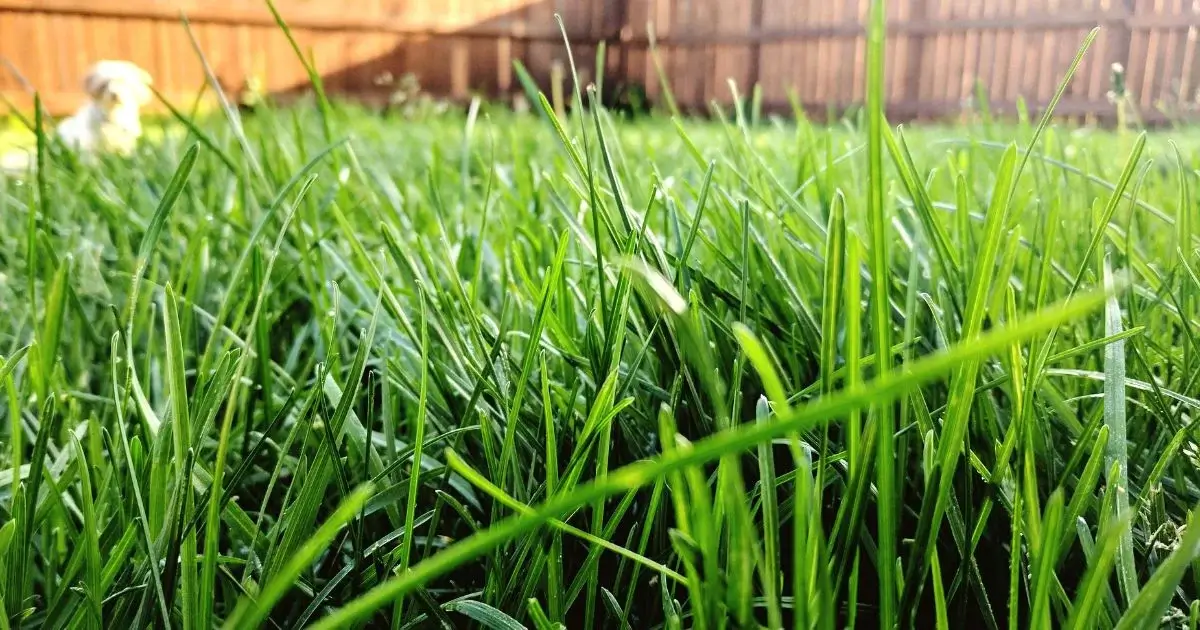
Have you ever wondered if there was a way to "cheat" having a good lawn? While we understand the sentiment, having a nice lawn will always take a bit of work. What matters is if you choose to do the work or leave it to a professional. Either way, one of the major "cheats" to having a great lawn is overseeding.
If your lawn is thin with unattractive, brown patches, overseeding is the solution. Taking your lawn from lacklustre to one of the more desirable in the neighbourhood means having a lawn that is thick, green, and lush. Overseeding enables you to transform a struggling lawn into a healthier and more visually appealing one in just weeks or months.
If you're at a loss for how to improve your lawn, you can nearly bet that overseeding is one of the top choices. It enhances the curb appeal of your grass and makes mowing more enjoyable and easier; no one wants to mow over dirt patches if they can avoid it.
Luckily, Jody’s Lawn Care is here to help. We’ll take you through the several steps and tricks of the trade to overseed your lawn, as well as the importance of seeking out help when you feel lawn care is a little outside your expertise.
Let’s look at how you can achieve a thicker lawn with overseeding.
Before We Begin: What Is Overseeding?
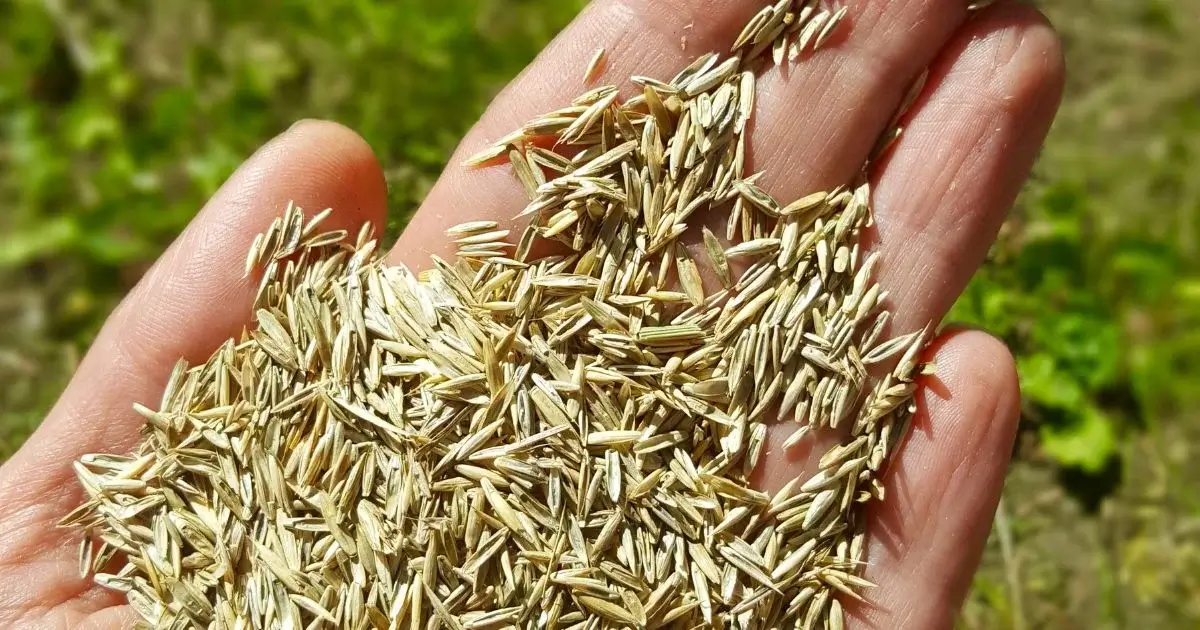
In digestible terms, overseeding is simply the process of planting grass seed directly over a pre-existing lawn. It's such a common practice that the majority of the time you see a neighbour planting grass, they're likely overseeding.
However, if they're laying seed on bare soil (this is common in newly built homes), this is simply referred to as "seeding."
The Benefits of Overseeding Your Lawn
Overseeding has two main functions: improving grass density and filling in brown patches of grass. This allows for healthier grass to grow and improves the look and health of your lawn. Not only this, but overseeding also helps to prevent weeds from sprouting, as thicker lawns make germination more difficult.
In fact, some studies have shown that repetitive overseeding is an effective, non-chemical method of managing weeds, since the new grass blocks out harmful weeds. This can be essential for homeowners trying to abide by city rules and regulations, as well as those trying to minimize their environmental impact.
Outside of the obvious benefits of thickening a lawn, filling in patches, and blocking out weeds, more perks come with overseeding your lawn. It allows a homeowner to overseed their lawn with newer, more desirable strains of grass!
Unlike the typical grass you'll find in the majority of garden retailers, these elite seeds are designed to have superior genetics and provide essential lawn perks, such as better resistance to weather, pests, germination, and discolouration. Long story short: higher-quality seeds equal a better-looking lawn.
Not to mention, overseeding can be budget-friendly if applied correctly. If your lawn doesn't require serious renovation, overseeding can be an affordable and practical solution to getting the dream grass you've always dreamed of.
So, You’ve Overseeded: How Often is the Upkeep?
After your lawn is overseeded, you may assume the logical tasks: water when appropriate, cut as necessary, avoid obvious pitfalls like leaving heavy objects or allowing pets to use it indiscriminately. To have a lawn that truly drops jaws, however, you need to do more than the bare minimum.
While there isn't a distinct hard-and-fast rule on how often you need to overseed your lawn, it is important to keep in mind that your current location and condition will play a significant part. You need to remember when it was last seeded and keep in mind how well the grass has grown; are there still thin patches or brown blades of grass? All these circumstances are important to consider before you over seed your grass again.
Sometimes, when we get excited to have the best lawn on the block, we might assume that overseeding regularly is the safe bet, even doing so multiple times a year. The hope here is that you'll have the thickest, greenest, most "show-worthy" lawn in the neighbourhood. Plus, let's not take away the fact that overseeding can often be therapeutic for enthusiasts.
However, too much of a good thing can still be a bad thing.
When is it Appropriate to Reseed Your Lawn?
Hey there, Canadians! Glad to see you're here. Generally, depending on the species of your grass, but likely more determined by your local climate, the best time to reseed is between mid-spring and late-summer/early-fall. This gives you ample opportunity every year to properly overseed your lawn and achieve the desired outcome.
If you plan to plant in the spring, it's best to check the soil and ensure the temperatures are between 10°C-18°C, with warm daytime air.
This temperature is important because the soil must be warm enough for the seeds to sprout, meaning the frost is gone and the dirt is no longer too cold. You can use a meat thermometer to check the soil's exact temperature. For everyone else, the general best times in Canada are between the end of April and the start of May.
Overseeding in Simple Steps
Now that we’ve gone through the theory, it’s time to approach some practical steps you can walk away with. Let’s go through some additional ways you can support your overseeded lawn.
Step 1: Mow Low & Collect Clippings
Before you lay your seeds down, make sure you take the time to cut your grass. If your grass is overgrown, you could prevent the seeds from properly reaching the soil. Do a good once-over with the mower and get those blades down to 1.5” if you can and remove the clippings.
Step 2: Dethatch & Prepare Seed Bed
If you want new grass to grow, you have to remove anything dead, along with the thatch (dead and living plant material consisting of roots and plant debris), either with a standard garden rake or a dethatching tool to allow your seeds to reach the soil better.
Step 3: (OPTIONAL) Amend & Top-dress
This step isn’t necessarily required but is an option. It’s best to inquire with a lawn care specialist before proceeding with this step. Here, you lightly add compost, topsoil, or sand at a ¼” level to help add enrichment to the soil.
Step 4: Install Irrigation
Try to map out and install sprinklers in all areas where your fresh seeds will need water. This allows your grass to be watered with little fuss on your part.
Step 5: Choose Your Desired Grass Seed
Make sure you pick the seed that suits your needs; popular species include Kentucky bluegrass, fescues, and perennial ryegrass – all of which are high-quality, premium grass seeds.
Step 6: Use a Seed Spreader
Don’t bother tossing seeds onto your grass by hand; the modern homeowner uses a spreader to ensure the maximum coverage across their lawn. Having a professional’s help here can be essential, as they can apply your seed at the recommended rate and take multiple passes to maximize grass consistency.
Step 7: Rake & Roll for Maximum Growth
Be careful to rake and settle your chosen grass seeds into the soil, then use a roller to firmly press them into the soil. Easy peasy.
Step 8: Cover Seed Appropriately
You can apply some additional layers to prevent birds from pecking away at your seeds, such as peat moss, straw, or even topsoil. This not only acts as a protective measure, but it also helps to keep moisture trapped in the soil.
Step 9: Consistently Water
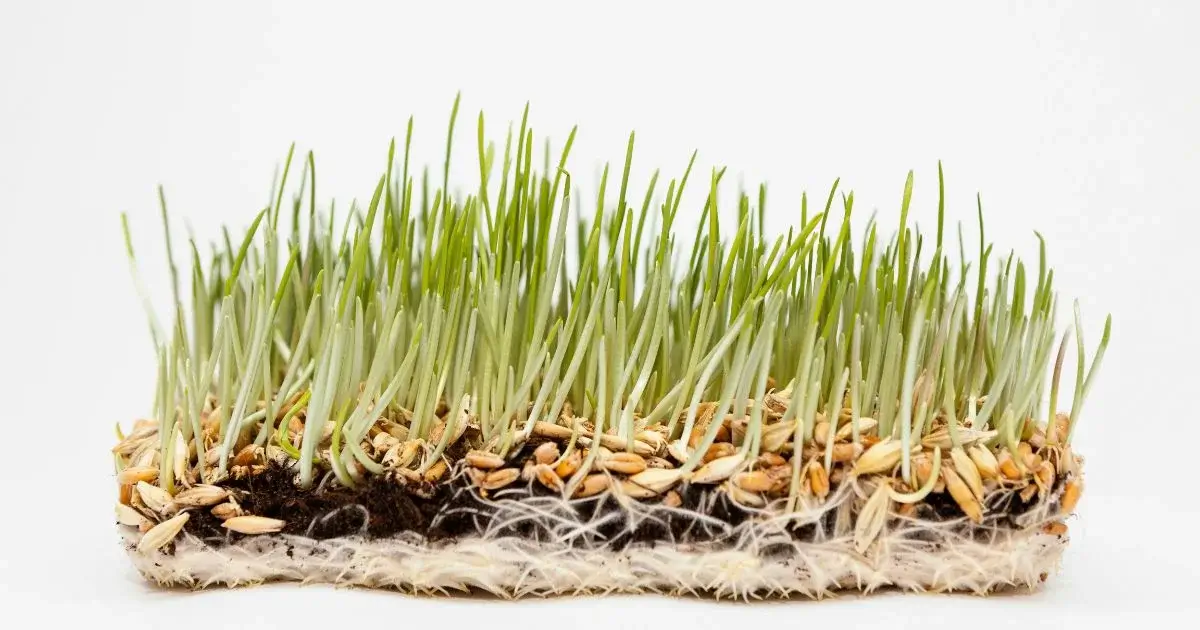
While you’re awaiting the grass seed germination phase, make sure you keep the soil damp. This requires you to water up to 3-4 times a day, before tapering things off as you notice the seeds beginning to sprout.
Step 10: The Final Fertilization
When your grass is in the beginning stages of flourishing and you feel confident in its health, it’s time to give it that extra boost: a good, reliable fertilizer. For homeowners, using a fertilizer specifically designed for newly overseeded lawns is ideal, especially as you notice germination taking place.
Want to Leave the Work to the Professionals? Choose Jody’s Lawn Care
At the end of the day, an informative blog provides you with information, tasks, and perspective; but that doesn’t always mean you have the time to make the execution.
If you want the results of a stunning, dense, lush, green lawn, without following a step-by-step guide, Jody’s Lawn Care is here. We not only provide you with the knowledge to maintain your lawn, but also the multi-year professional experience to care for your lawn. With our help, you can have a beautiful lawn year-round, no questions asked. Don’t hesitate to contact us today.