



 Celia
Kirk
Celia
Kirk
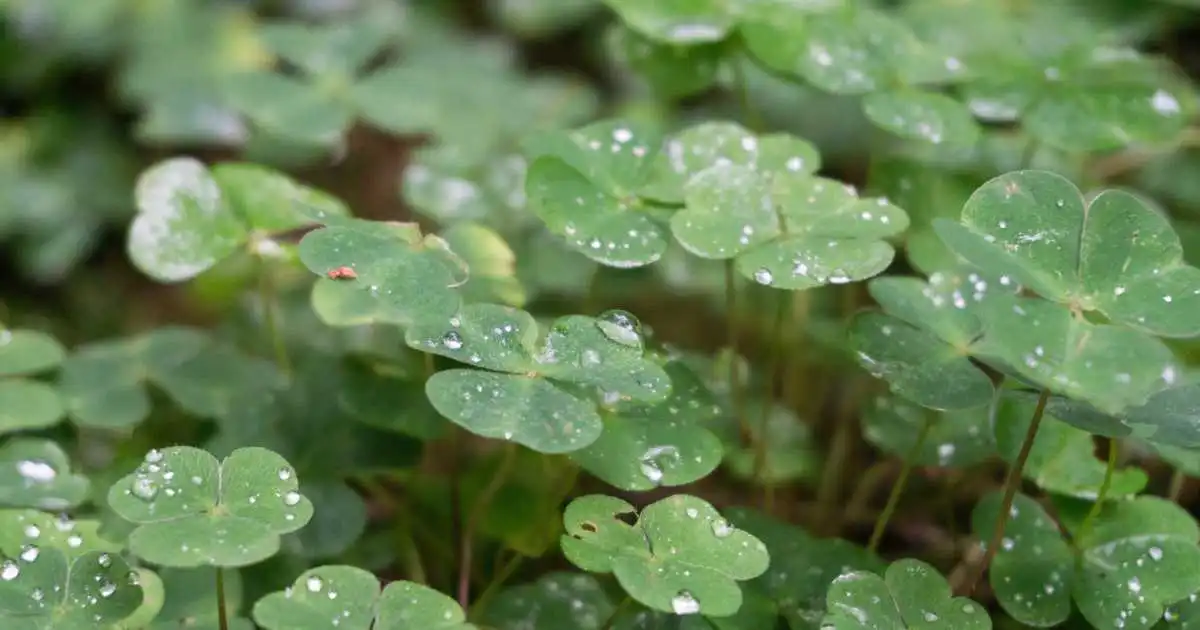
When imagining your dream lawn, it's likely that you see perfectly cut, crisp, clean, green grass and... probably not much else. I mean, maybe some lawn furniture or other fixtures to add personality, but in terms of your actual lawn: just lush blades of green!
However, there is an emerging trend where homeowners are opting to have clover lawns over traditional lawns – and while we won't be going over the benefits of having an entirely clover-covered landscape, we will be talking about the appeal of clover in lawns overall.
Jody’s Lawn Care consists of your most trusted local lawn specialists, so we have all of the info you need on why some Ontario homeowners want clovers in their lawns!
The History of Clover as a ‘Weed’
Yes, clover has long been considered a weed. But it’s now being hailed as an eco-conscious option for homeowners and lawn specialists alike. Where did this sudden change in perception truly come from?
Simply put: a desire for sustainability. Clover has benefits when it comes to lowering your lawn maintenance needs, saving on water and other resources. In fact, some people opt to completely replace traditional turfgrass altogether in favour of clover.
Clover is a low-growing plant that excellently covers bare spots on your lawn and can even act as a defence against weeds; clover naturally crowds out other invasive weeds, smothering them out of your lawn. Not only this, but clovers are also nitrogen fixers, which means they actually benefit the overall health and longevity of your lawn.
Plus, having clovers as a part of your lawn is surprisingly stylish; the plush leaves look aesthetically pleasing, and just so happen to be gentle on bare feet and paws alike. It also grows well and needs less maintenance than traditional turf grass.
However, HOAs occasionally label clover as a weed and have gone as far as to request homeowners remove it. Which is unfortunate, because clover has a lot of benefits when introduced and maintained on a lawn.
The Benefits of Clover in Lawns
OK, shall we go through some of the real benefits of incorporating clover into your lawn, especially if it occurs naturally? We think we shall.
Clover is Low-Maintenance and Resistant to Drought
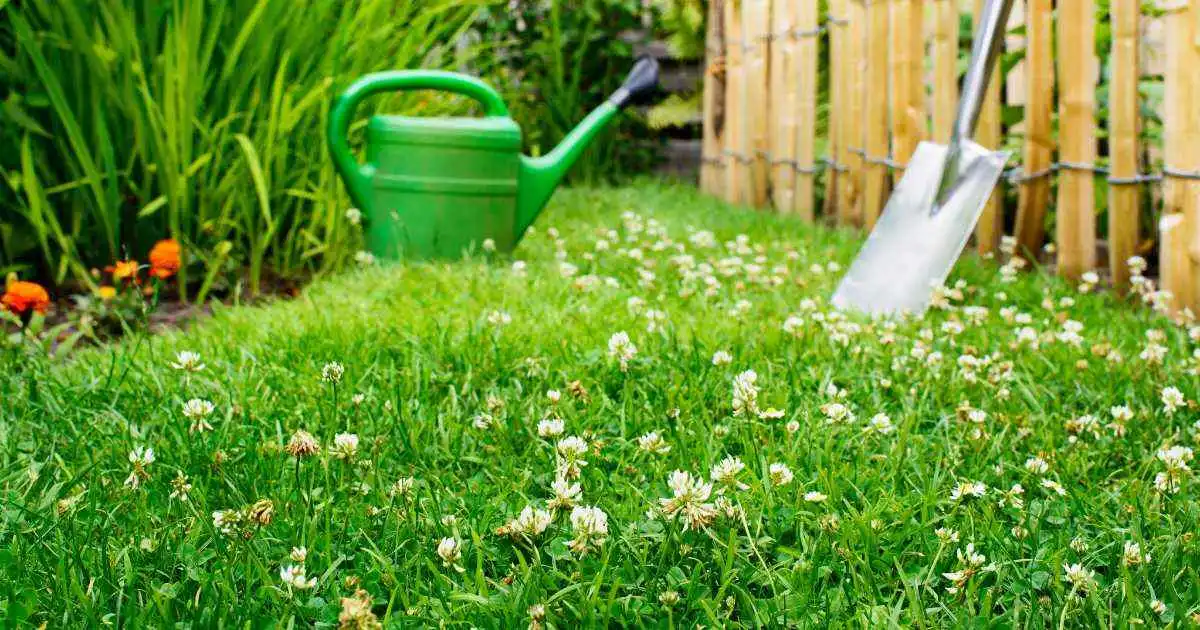
Just like how mitochondria is the powerhouse of the cell, clover is the powerhouse of a healthy lawn. Yes, clover is a hardy plant that doesn’t need watering nearly as regularly as other grass species. This means it thrives well in regions that have dry summers or even water restrictions. Grass on its own may turn brown and die off during a drought, while clover is capable of staying green and maintaining health. Plus, clover grows slowly; meaning it doesn’t need to be mowed as regularly. When you seed your lawn with a combination of grass seeds and clover, you reap the benefits of both plants.
Clover is Capable of Nitrogen Fixation
One of the biggest benefits of incorporating clover into your lawn is its natural ability to fix nitrogen from the air and convert it into a form that plants can utilize. Clover works in tandem with bacteria stored in its root system, effectively pulling nitrogen from the atmosphere and "fix" it into the soil. This means clover not only fertilizes itself, but it can also pass those health benefits on to surrounding grasses and other plants. This means clover doesn't need much in terms of synthetic fertilizer, meaning homeowners can save money and reduce the environmental impact on their local community.
Clover Literally Suppresses Weeds
Clover is ready to fight weeds and drive them out of their turf – literally, in more ways than one. Clover grows densely, taking up a lot of real estate. It also grows thick. This poses issues for weed seeds looking for ample soil to germinate on, because the clover simply boxes them out. By establishing a thick mat of low-growing foliage, clover can effectively fight off weeds like thistle and crabgrass, making it a solid line of defence for your lawn.
Weeds hate to see clover blowing in the breeze.
Clover is Friendly Towards Pollinators
Global bee populations have been declining over the years, with organizations pressing the public to find ways to support their local pollinators. Clovers provide an ample source of nectar for butterflies, bees, and other beneficial bugs. Unfortunately, the average lawn doesn't offer too much in terms of support or nourishment to pollinators, but a lawn that incorporates clover can be a valuable food source. Certain varieties, such as Dutch clover, bloom with small white-ish or pink-ish flowers that sing a siren's song to a wide range of pollinators throughout their season. What's more? It doesn't matter even if you mow them before they bloom; they're capable of bouncing back and continuing to offer sustenance to local pollinators.
Clovers Are Comfy & Gentle on the Feet
Have you ever wished you or your loved ones could walk barefoot on the lawn and actually enjoy the sensation of a soft and pleasant texture? Clover is cushy and cool, like the cold side of your favourite pillow. This makes it an ideal spot for lounging, picnics, and a safe place for kids to play. While grass isn't always unpleasant to walk on, some varieties can be a bit prickly if they get dry, while clover retains a soft feel, even if the weather has been parched.
Clovers are Pet-Friendly and Resistant to Urine
Pet owners adore their furry loved ones... but their pee is less than pleasant. Not only does it smell, but it can create yellow spots on your lawn. Clover, on the other hand, can handle this much better. Seeing as clover has its own deep-rooted nitrogen tolerance, it can remain green and healthy even in spots where pets use the bathroom. This makes it a popular solution for dog owners who want to avoid having patchy and uneven grass. Plus, it’s also soft for pet paws, too.

Clover Saves You Time & Money
Clover is cheap, and it's easy to grow. Whether you choose to overseed an existing lawn or plan to sow from scratch, clover germinates fast and can establish sturdy roots within a few weeks. It even grows well in poor soils where other grass may struggle. Plus, clover doesn't need regular fertilizing, water, or mowing: saving you time and money overall.
Making the Choice: A Full Clover Lawn or Mixed Company?
OK, we've had a lot of good things to say about clover, but is it worth it to have an entirely clover-covered lawn, or should you mix your seeds with turfgrass? We're glad you asked. Let's explore both options:
Full Clover Lawn
As you expect, a full clover lawn is a lawn that is literally just clover: nothing else. It makes for a uniform, lush, and plush groundcover. It's also aesthetic, too. Clover is low-maintenance, eco-friendly, and perfect for local pollinators. However, regardless of the current trendiness, clover can be toppled by heavy foot traffic and often requires reseeding every few years. That's why homeowners often mix their seeds with a sturdier turfgrass to help defend it against trampling.
Clover-Grass Mix
A lot of people prefer to seed clover into an existing lawn, creating a blended look that combines the durability of turfgrass with the ecological benefits of clover, creating a win-win for homeowners. This allows you to find a middle ground between supporting the environment while still getting to enjoy the durability and classic look of traditional grass.
Clover Lawns: Additional Considerations
While there are a lot of benefits of a clover-infused lawn, there are still things you need to keep in mind before you sow:
Increased Bee Activity
Clover attracts bees, which, in terms of pollination, is beneficial! However, this is potentially a risk for those who have serious bee allergies or small children, as it increases their risk of being stung. To help mitigate this, try mowing before peak flowering season.
Reduced Durability
Clover is resilient, but it isn't as tough as other grasses, especially if your lawn has heavy foot traffic or play. If your lawn sees a lot of use, a clover-grass mix is a better option.
Seasonal Dormancy
When the weather is cold, clover has a tendency to become dormant in winter, causing it to brown out. To manage this, try mixing clover with a cold-resistant grass that can be well-maintained throughout the year.
Regular Reseeding
Clovers can thin out over time, especially after harsh, Canadian winters.You may need to reseed your lawn every 2–3 years to keep it looking lush.
Jody’s Lawncare: Your Trusted Experts
With 25 years of experience, Jody's Lawn Care has been established as a successful business in Norfolk County. The business has expanded into the Cambridge, Kitchener, and Waterloo area, expanding our reach to our valued customers. We're here to do the hard work for you, so you can just relax this summer season and beyond! Contact us today.