



 Katie
Goliboski
Katie
Goliboski
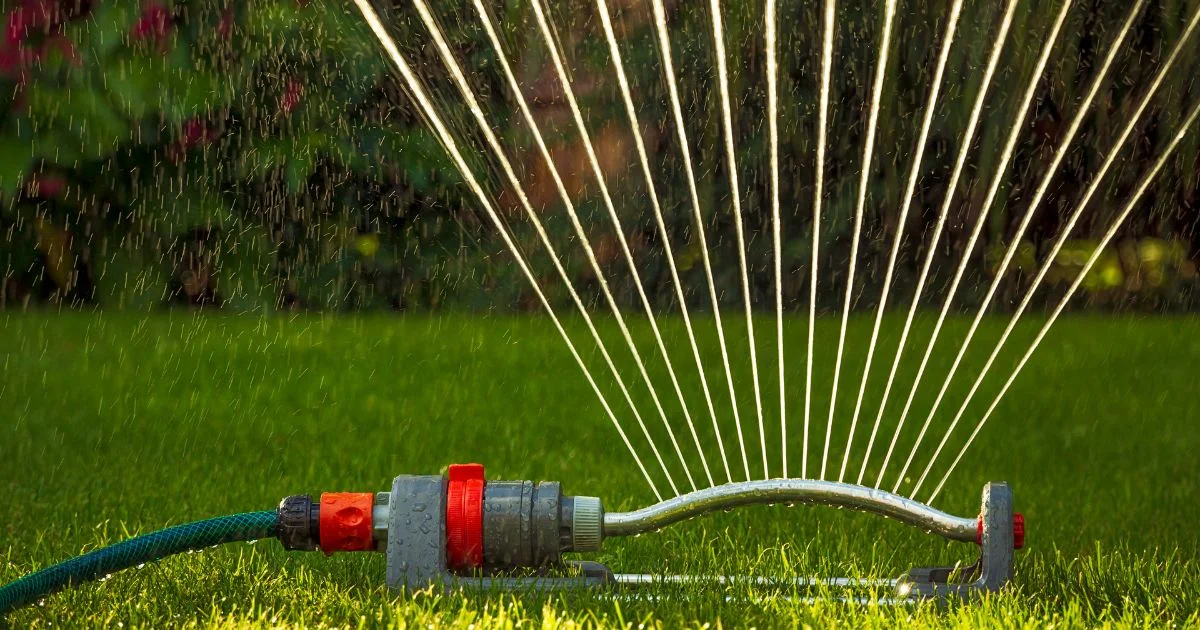
Managing water usage is integral to your environment. Household water usage increases up to 50% in the summer, putting additional strain on local water supply and distribution systems. In response, municipalities across Ontario have taken steps to encourage water conservation, especially during the summer months.
Water use restrictions, as seen in Cambridge, limit how often homeowners can water their lawns. This means, regardless of what’s happening with your lawn, you can’t just water it completely “willy nilly” – there are rules you must follow.
But… what about your lawn? How can you help maintain the lushness and health of your grass over the summer months if you have a water use restriction in your area?
Don’t worry, Jody’s Lawn Care is here to help. We’ve been in business for more than 25 years, and we have the experience and knowledge required to help you keep your lawn looking fresh and green for the whole season — water restrictions or not.
Environmental Impacts & Water Restrictions
Water restrictions don't just serve practical purposes, but environmental ones, too. A lot of the water that runs off from sprinklers and hoses can run into the storm sewer, sometimes picking up pollutants that are redistributed into Ontario's lakes and rivers.
This is known as run-off pollution, and it can wreak havoc on your community's ecosystems if not kept in check. By reducing outdoor water use, municipalities can reduce the possibility of these pollutants from leaking into fresh bodies of water.
During warmer months, water is going to be in higher demand; whether this means filling your pool, running your sprinkler, or watering your lawn and garden. Overuse could impact potable water reserves, water pressure, and even the ability to combat fires by overstraining the water system.
Using less water in your home is also environmentally beneficial. It's not just about your grass; by not overusing water in your home, you reduce your carbon footprint.
This doesn't just benefit you by saving on your water bill, you also help keep wetland habitats topped up for wildlife such as otters, herons, fish, and other beautiful creatures.
Water Use Restrictions Based on Your Area
If you’re a local in the area where Jody’s Lawn Care tends to toddle around, you may have some questions about what appropriate lawn watering looks like. While the subject seems simple, there are some regulations you need to follow based on where you live, and being well-informed makes sure you’re an active part of the solution.
Make Sure You Understand Water Restrictions in Your Area
Jody's Lawn Care is active in the areas of Norfolk County (our main office is located in Simcoe) and Cambridge (located in the Region of Waterloo). If you're reading our blog, you might also be located here! So, why don't we explore some of the specifics of these areas and the corresponding water restrictions, shall we?
Water Restrictions: Cambridge (Region of Waterloo)
According to Cambridge’s webpage on water usage, the Region of Waterloo prohibits lawn watering except for one day per week. This day is determined based on the final digit of your street address and provides specific time windows for optimal watering:
According to the same source, watering is only permitted on your assigned day, once per week:
5:30 a.m. – 10:00 a.m.
7:00 p.m. – 11:00 p.m.
This is also assigned by your last address digit:
0 or 1 = Monday
2 or 3 = Tuesday
4 or 5 = Wednesday
6 or 7 = Thursday
8 or 9 = Friday
Having said that, shrubs, trees, and gardens are permitted to be watered every other day but are still dictated by early morning and evening time slots.
How to Maintain a Healthy, Green Lawn While Adhering to Water Restrictions
We understand that it sounds scary to have a limit on the amount of water you can use on your lawn, especially if you’re a new homeowner or just getting into lawn care. But fear not; you don’t have to water your grass constantly to make it lush and green.
The phrase: “Water deeply, not frequently,” holds weight in the lawn care industry for a reason.
There are also several other tips and tricks you can utilize to ensure your grass won’t pay the price of hot weather and water restrictions.
So, how do you obtain a healthy, happy, lush and green lawn during a water use restriction? Jody's Lawn Care has the scoop:
Water Deep: Not Often
There is such a thing as watering your grass too much. Not only can grass and seeds drown if overwatered, but too much moisture can also cause growing conditions and potential lawn disease. Too much water deprives the grass and seeds of oxygen, which they both need to thrive. Constant watering also encourages roots to stay shallow instead of driving deep to seek more water sources. This can cause your lawn to be less tolerable of impact and use, making damage more likely.
Excess moisture can also lead to fungal disease, leading to the need for additional treatments. Not only does this cost more money, but it also takes away valuable time your grass could be spending growing strong and lush.
The government of Ontario recommends you water your lawn only as needed and typically limit watering to once a week. This coincides with most watering practices in several municipalities — but not all. Make sure to check based on your area for watering restrictions.
It's suggested you apply at least 2.5 cm (or one inch) of water to your lawn. You can use a grain gauge, or, according to the Government of Canada, a tuna can to measure how much water you've used. You can also monitor your sprinkler output to ensure you're not overusing water.
Water During Designated Times
Early morning and evening are generally regarded as the best times for watering your lawn. This ensures the sun isn’t too hot and maximum absorption can take place. This eliminates the potential for water loss due to evaporation while reducing the risk for fungal disease. Plus, this gives the grass enough time to dry before nightfall, again, reducing the risk for potential lawn diseases.
Remember: these limitations aren’t designed to be inconvenient. They’re put in place to also provide guidelines that help your lawn to thrive.
Hot Weather? Don’t Stress
If you see your lawn go limp, turn a little brown, and seem generally unwell during dry periods... don't panic. Your grass could just be in a dormant state, meaning that as long as it was healthy before, it should be able to remain in this state for several weeks and bounce back.
For certain grass varieties, once moisture is consistently reintroduced, the blades will turn green again. However, if you're concerned, you can consult with your local lawn care experts to help you get your lawn back to baseline. Also: don’t be afraid to target specific areas that need additional watering support. Your grass is as individual as you are and focusing on key areas can help you to divide your efforts.
Adjust Your Mowing Practices
When your grass has limited water, you need to be careful how you choose to mow your lawn. In general, it’s better to raise the blade of your mower up and keep your grass a little longer to provide additional shade to the soil. That means keeping grass blades between 7.62 cm-10.16 cm (or 3-4 inches) to help keep the soil shaded, retain moisture, and reduce the potential for evaporation.

Determining Your Lawn’s Needs: Choose Jody’s Lawn Care
When it comes to dealing with water restrictions, your hands can feel tied. There are a lot of rules and regulations you have to consider, and when you’re finally winding down for the summer, you may not want the extra work. The solution? Jody’s Lawn Care. We’re a Canadian family-owned business that has been in operation for more than 25 years. Initially starting as a one-man operation, our business has expanded across Ontario, allowing us to help homeowners like you have the best lawns possible.
Instead of stressing about when and how you should water your lawn, leave it to the experts. While we’re happy to provide you with tips and tricks, we’re just as happy to take the hard labour off your hands.
Don’t let your lawn maintenance fall by the wayside this summer, contact Jody’s Lawn Care and trust us to keep your lawn green and healthy.