



 Katie
Goliboski
Katie
Goliboski
Vermiculture: is it for the birds?
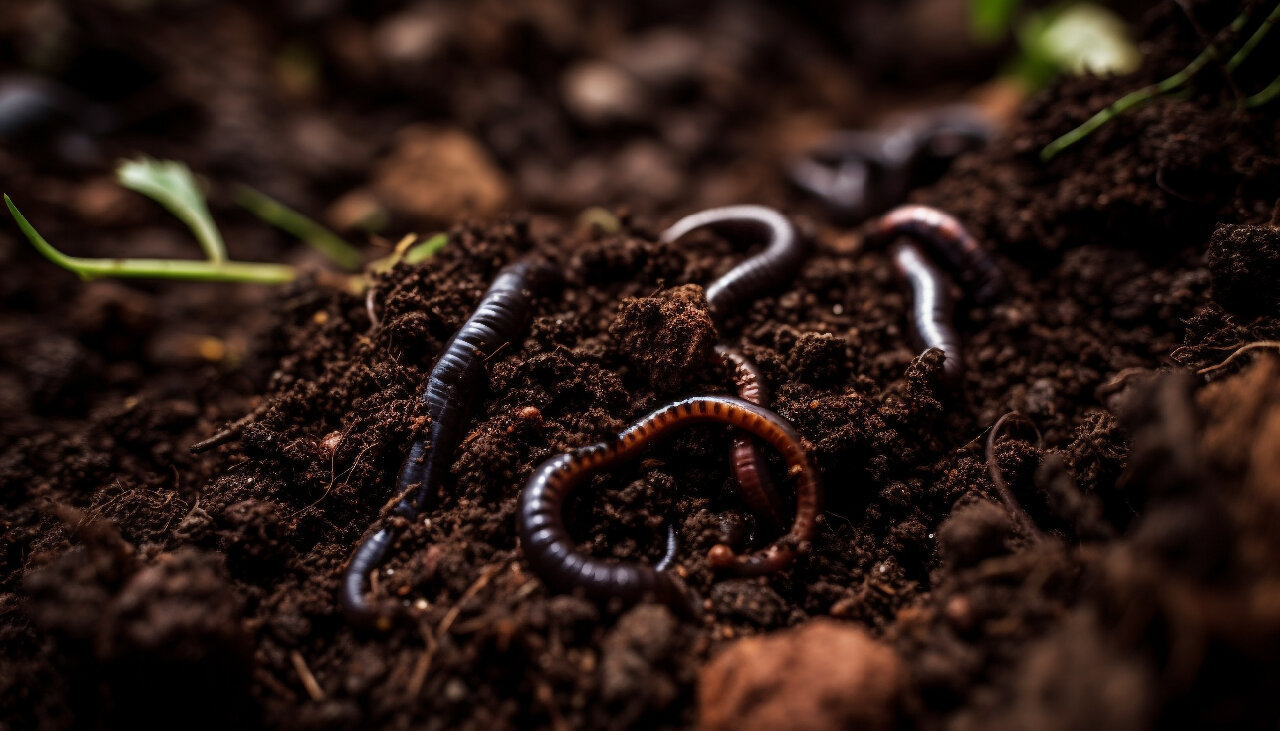
Image courtesy of Freepik
Sometimes the old science is best.
Do you recall the days when in grade school your teacher perhaps came in with a fair sized Styrofoam cooler, or a glass aquarium, full of dirt? Then pulled out a plastic container full of gloopy-looking worms covered in dirt residue? This was maybe prefaced by a discussion of the environment, the three Rs (Reduce, Reuse, Recycle - which I have come to understand is not as pushed an idea as it once was...), and how humanity creates so much waste, much of it as a result of food. I remember this day, I also remember about the same time my mother having a crack at this same lesson at home. The worms are added to the dirt filled container (the aquarium made for ease of observation) and we were encouraged to bring in food scraps to add into the container. This was usually a beginning of the year project, with the promise of more dirt and less scraps by the end of the year. At the time, as a kid who spent a lot of time in the garden anyway, this was not an earth-shattering lesson to me: worms eat waste, digest, and then pass the nutrient dense "castings" as a fantastic garden additive soil. We always have had a composter or two in the backyard for our food scraps, and I remember when "Green Bins" were first added to the waste management regime in Hamilton and surrounding areas.
The utilization of composting and vermiculture fast-tracks the nutrient cycle through the use of decomposition and digestion resulting in nutrient dense humus (compost). Red worms are best suited to the vermicomposting process due to their efficient processing of organic matter, eating and expelling their body weight in material daily. They thrive in decomposing material such as leaves and manure, and are smaller than most species of worms. Their castings can be usable in as little as 2-3 months. Red worms are also prolific breeders and reproduce in a cycle of about six month start to finish - reducing need for adding more worms to the system.
Now, what I have taken as common knowledge is still turning the horticultural world on it's head! There has yet to be a more consistent, natural method of soil rejuvenation; and the benefit of reduction in waste is incomparable.
Benefits of Worm Castings
The addition of worm castings to existing properties (both lawns and gardens) has long term solutions to recurring issues. Adding worm castings to your soils is not only environmentally responsible, but it is cost efficient in more ways than one! Not only are you reducing your food waste, but you are also reducing the amount of other inputs that your property will need. Worm castings can reduce the need of fertilizer by 25-50% (over time) and also increase moisture retention, therefore decreasing watering needs (and therefore the required frequency).
As the material has already been broken down and traveled through the worms' digestive tracts, plant's are able to immediately absorb the nutrients -- the castings contain water-soluble nutrients, additional good bacteria, and enzymes. The castings do not contain common contaminants such as fungus and detrimental bacteria. The improvement in soil quality and overall soil health from the worm castings will also encourage more worm activity in your soil as a side benefit. More worms means there will be better aeration of the soil as well, improving air flow, water drainage and nutrient availability.
The better soil encourages healthier, deeper, root growth, creating plants that are more drought tolerant. It encourages a thicker mat of grass as well, encouraging damage resistance too.
Difficulties With Worm Castings
There are so many great things about worm castings that it almost seems like manna from heaven for your garden and grass! But, good comes with... not so good. Some of the stumbling blocks for worm castings just come down to logistics.
100% Organic Does Not Mean Perfect
Something that is great about worm castings is that they are considered 100% organic; but, beyond the definition of organic as "without additives/chemicals", it also means that it, in itself, does not contain soil. This means that it cannot be used on its own as the substrate to grow plants in, it must always be considered an "additive", otherwise plants cannot thrive in it without the support of other materials. So it must be thought of as something that is a tool to help improve your already existing soil - it is not a magic wand, but definitely counts as fairy dust.
Return On Investment
To create a sufficient amount of castings for your own personal use will not be a free venture; there is what my economic professor called "opportunity cost". Yes, you would be using potentially on-hand food scraps, but then it comes down to volume of output versus time required to create said output. Depending on how much casting volume you need, this could create a long wait. When farming your own worm castings you also have to be cognizant of soil moisture, ensuring sufficient material for the number of worms you have, and space for them. Depending on your skills and situation, this could either be a costly experience, or a money-saving one! One thing that is important to note is that results are not immediate, this is a commitment that will only get better and better with time; it aids in your lawn becoming self-sufficient and only can get better and better.
Nutrient Content
"You are what you eat", or in this case, your castings are what the worms eat! The nutrient content of the castings is all dependent on what the worms are fed; therefore, the worms must be fed high quality scraps in order to guarantee quality output. We know this is in an ideal world, but we hope that your food scraps are the best quality you can manage, and therefore so will your soil be too. There are also naturally derived additions that can (should) be added to the casting to enhance their efficacy, running from egg shells, molasses and beyond. Worm castings bring nitrates, potassium, magnesium, calcium, and phosphorus to the tale, but do not forget it is not just about the worm castings but the recipient soil too.
Our Solutions To Concerns With Worm Castings
Our job here at Jody's Lawn Care is to find the solutions to the problems. As such, we have researched this topic and contacted experts all over Canada to determine the best way to add this natural enhancement to our customer's properties. We have a lot of faith in the science and experience that is behind this natural wonder, we are excited to be able to start offering it to our customers; and of course, being able to "road test" it on our own property is a mild bonus.
Sourcing Is Key
We are looking to expand our services to include this brilliant, classic, soil improvement tool. Due to the volume of casting required to properly service you properties, we have approached a Canadian company who utilizes unwanted vegetable and food scraps from provincial markets; this not only reduces wasted food but ensure the quality of the food is human grade - whats good for us is good for the worms. The company that we have aligned with has created their own self-sustaining system and ship their product across Canada via train to reach all their customers. We love the fact that they are utilizing an existing Canadian feature rather than trying to rely on transport trucks. As this initiative is trying to ensure we make your lawn as environmentally green as it is in colour, we appreciate that rail travel is more eco-friendly than trucking (check out this article for more examinations of this fact). They have experimented with different natural compounds that when used to add to or apply th e castings enhance the absorption of nutrients or improve the microbe actions further. Although there are other options available, they have identified the ones that work the best (even competitors in their field say so).
This company has also partnered with an existing supplier of ours, Evergreen Bio, who is facilitating their distribution. We look forward to another explorative venture with this trusted vendor.
In For The Long Haul
We recognize that this will not be an overnight success, and that the results will not be immediate. The benefits for this are an addition to the regimes we have already offered, and can only add to the great lawns we are already helping to build. Our customers already have great biomes in their existing soils, but good can only get better with the addition of this great natural resource. We know that Mother Nature knows best how to make things function optimally, we are just hoping to learn from her and add this knowledge to our repertoire. Let us worry about the volume and quality concerns for you, we only get the best for our clients.
Organic Offerings
Here in Ontario, we are already half-way there to being an organic only province. Legislation exists that limits what products can be used, with no allowances for pesticide uses on residential properties. Many people do not realize that to actually apply chemicals to residential properties is illegal and not allowed by lawn care companies. We are stringent in respecting the regulations about what we can and cannot use on lawns, we ensure that our products are safe for humans, pets and the environment alike. The substances we use are already natural, as no chemicals are allowed for weed control outside of agricultural use or maintenance of cemeteries or golf courses. However, our fertilizers, although made from basic elements, are not certified organic, as there is not yet enough production of balanced combinations to meet the needs of the lawns and organic requirements. That is something we are watching for in the future for sure.
The corn gluten solution/pellets we use for crab grass prevention are already another natural compound use of byproducts -- yet another way we encourage environmental efficiency.
The ability to add worm castings to this growing list of considerate offerings to our customers is something that makes us proud and excited for future developments. We are always looking for new discoveries and to improve on our already extensive services. We hope you will join us in this promising, old, method of soil enrichment -- it has already been recorded as being as good as it has always been purported to be.