



 Celia
Kirk
Celia
Kirk
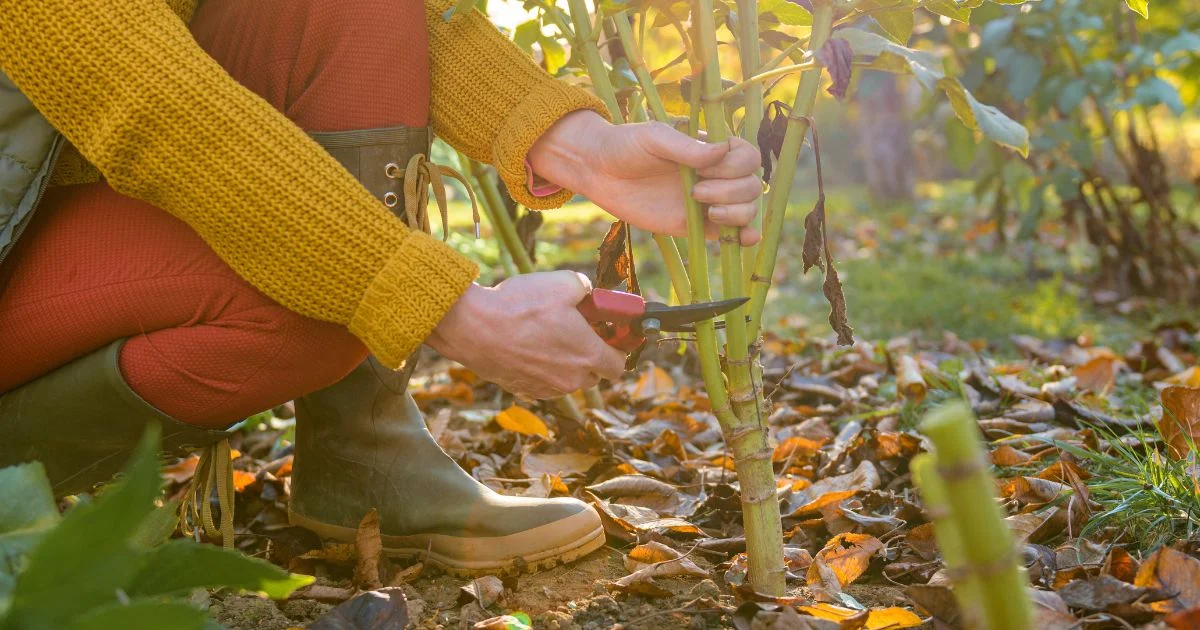
You've made it; summer is over, the kids are going back to school, and long, hot days in the garden are over. Now that things are cooling down, you may assume that the growing season is winding down, yard work is less demanding, and the only plants you need to worry about are the ones indoors or any crops you plan to grow. If any.
However, what a lot of Canadians don't know is that fall is actually a highly active time for weeds – one of the most, in fact. Cool temperatures, shorter days, all paired with additional moisture create ideal growth conditions for pesky weeds. If you don't take care of them off-the-jump, then you could be looking at a frustrating fall season.
Cool temperatures, shorter days, and increased moisture create ideal growing conditions for certain persistent plants. Left unchecked, these weeds can crowd out desirable grass, perennials, and even fall crops in gardens.
Whether you just want to maintain your lawn throughout the season, keep the landscaping clean, or even grow fall vegetables, you have no choice but to manage weeds.
Identifying and controlling Ontario’s common fall weeds is the topic we’ll be exploring today with the help of the pros at Jody’s Lawn Care.
The Challenge: Fall Weeds vs. Ontarians
Fall weeds are often overlooked during the season because we don't recognize them as their summer counterparts, which are known for being more aggressive. However, when you're dealing with autumn weeds, you have to recognize that they often consist of biennials or winter annuals. If you don't address them during the fall season, you'll be battling uphill on a mud-trodden slope to keep those weeds at bay. That's why targeting Ontario weeds in the fall is one of the most strategic times to gain control over them. These weeds sprout in late summer or early fall, survive the winter as seedlings or rosettes, and then bolt, flower, and spread seeds rapidly in the spring.
Let’s take a look at some of Ontario’s common fall weeds and how to control them:
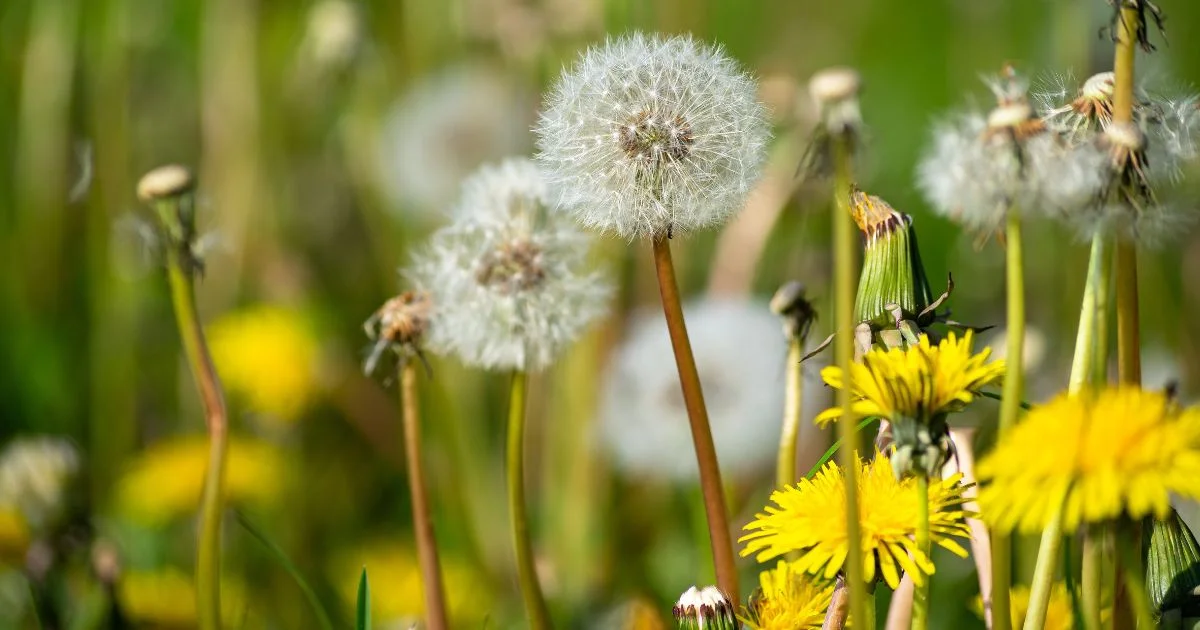
Dandelions (Taraxacum Officinale)
Dandelions are easy to spot when it comes to identifying weeds in Ontario. During the autumn season, they grow as flat rosettes with jagged leaves that jut out from the stem. While they may not have the same yellow vibrancy you'd see in the summer, the root system remains sturdy even as the weather cools down.
In fact, these cool temperatures make the ideal environment for dandelions, because the moist soil allows the roots to expand further, making them far more troublesome than you'd think. Make absolutely no mistake: even if you don't notice the iconic flowers of this weed, that doesn't mean they aren't present and preparing to come back far worse than ever before once spring rolls around.
How to Control It:
Physical Removal: Yep, it's time to get down and dirty. Use a gardening fork or a narrow trowel to gently dig out the taproot. If any root is left behind, the weed could regrow, so make sure you remove all of it.
Overseed Your Lawn: Practicing overseeding ensures you put those dandelions in a chokehold -- literally. A thick lawn in the fall can help choke out dandelions by limiting bare patches, giving them fewer spaces to sprout up and take hold.
Spread Corn Gluten Meal: Spreading corn gluten meal in the early fall can significantly reduce the germination of dandelions. It's particularly effective on grassy and broad-leaved weeds.
Chickweed (Stellaria Media)
Chickweed is most identifiable as dense mats of small, oval-ish leaves with small, white, star-shaped flowers. While it doesn't look ugly, it can be a formidable foe. It tends to creep along the ground and is well-known for suffocating turfgrass and garden beds alike.
Chickweed thrives in cool, moist soil, which is hyper-abundant in Ontario's fall climate. It also tends to germinate fast and can survive well into the winter as a low-growing mat -- so, you'll want to tackle it the moment you notice it.
How to Control It:
Pluck It Out: Luckily for you, chickweed is easy to uproot because its roots run shallow. However, if you choose this method, make sure you get all of it. Otherwise, it'll spread fast.
Mulching: Thick layers of mulch spread into garden beds block out light, preventing germination. This stops chickweed before it has a chance to fully grow and take hold.
Aeration & Drainage: Aeration can help improve soil drainage, reducing the habitability of the soil for chickweed. This makes it less likely to grow on lawns and gardens.
Broadleaf Plantain (Plantago Major)
Plantain (no, not the starch that looks remarkably close to a banana, only savoury) is a rosette-forming weed with broad, oval leaves and prominent parallel veins. Their seed stalks appear during the summertime, but once fall rolls around, the plant itself focuses entirely on growth and spreading.
This weed is no joke, as its tough perennials can easily tolerate even compacted soil and heavier foot traffic, meaning it thrives well in lawns and in pathways. Fall is when this hardy weed begins stacking its reserves for the winter, meaning you need to get it to it well before then.
How to Control It:
Manual Removal: Seeing a common trend, here? Manual removal is nearly always an option, but each weed often has a variation in terms of fully removing the offending plant. In this case, you need to dig out the entire rosette, INCLUDING the fibrous roots, to ensure the plant won't re-emerge.
Soil Aeration: Because plantains thrive well in compacted soil, making sure to thoroughly aerate your lawn will help to reduce its ability to grow. You're essentially exposing it and eliminating an environment where the plant thrives.
Maximize Healthy Turf: Don't let bare areas go unchecked; reseeding bare areas helps keep the plantain from re-establishing itself in the fall, leaving it little space to thrive.
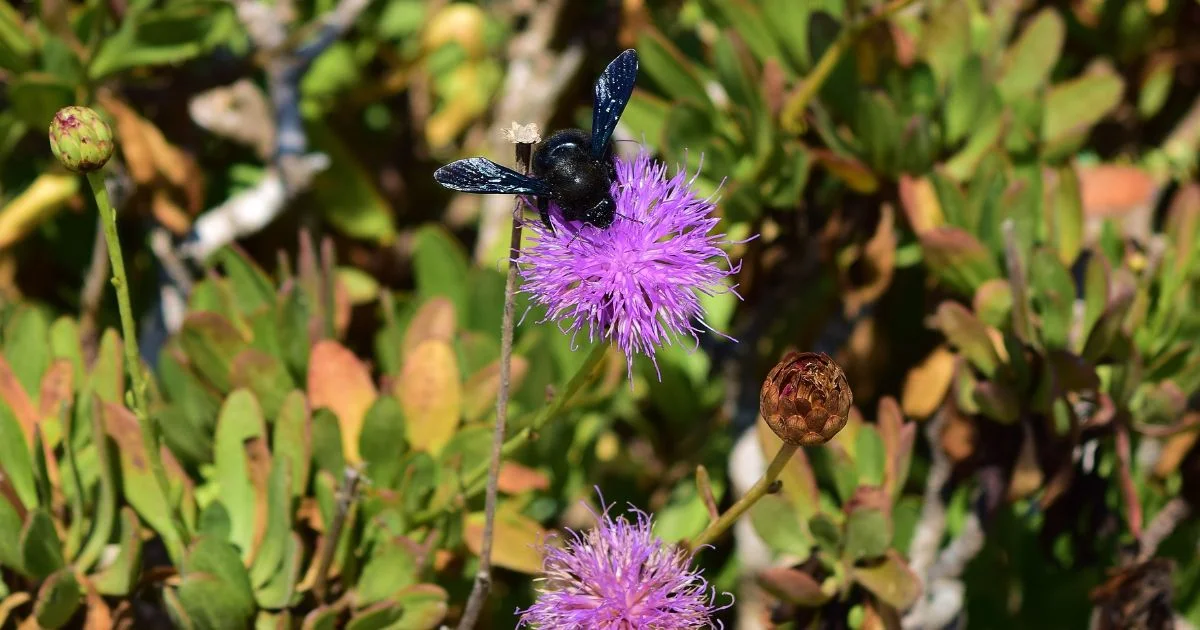
Canada Thistle (Cirsium arvense)
This (very literally) prickly perennial is well-known for its pokey spines and deep-sprawling root system. Also known as the “creeping thistle,” during the fall, it forms rosettes and uses its roots to store energy for the following year, preparing to explode when the ideal weather conditions roll around. During the autumn, these roots spread into the soil like wildfire, allowing this perennial to colonize new areas and enact a hostile lawn and garden takeover!
Not today, Canadian thistle. You CREEP!
How to Control It:
Mow it Down & Keep it Cut: The more you mow or cut the plant down, the root system naturally loses much of its energy and vigour, causing it to lose its reserves over time. This makes it less likely to grow.
Digging up the Roots: As expected, removing the main source of the plant's energy is the best way to stop it from flourishing. No roots, no plant. However, this method is more labour-intensive, but it is highly effective if you do it correctly. If you don't trust yourself to do it correctly, it's time to call in the pros.
Targeted Herbicide: Fall is the best time for systemic herbicides, as nutrients are drawn down into roots. See our local blog on pesticide bylaws for more details.
Shepherd’s Purse (Capsella Bursa-Pastoris)
This winter annual is most easily identified by a rosette of lobed leaves that have almost endearing, heart-shaped seed pods. It's known for being capable of flowering during mild autumn weather, but it tends to get very aggressive once spring has sprung. It germinates well in cool temperatures and is quick to establish itself prior to winter settling in, and if left to its own devices, it can release literally thousands of seeds during the spring. Which, to be clear... is a nightmare.
How to Control It:
Pull Those Weeds EARLY: The second you see shepherd's purse seedlings; you need to pull them before they develop into seed pods. This completely disables them from continuing their growth cycle. Once they sprout, they'll be slightly more challenging to deal with.
Mulching Garden Beds: As we mentioned earlier, mulch suppresses a seed's ability to germinate by making the soil environment for certain weeds less than ideal. It blocks out the sun and creates a physical barrier that makes germination difficult.
Crop Rotation: Shepherd's purse thrives in cool environments, alongside certain fall vegetables that favour the same (i.e., broccoli, cabbage, kale, etc.). If you plant these fall crops in the same area every year, the weed is more able to establish itself and complete its full lifecycle without interruption. By rotating your fall crops, you break up those ideal growing conditions and reduce the number of seeds it can produce.
Not Sure What to Do? Jody’s Lawn Care Has You Covered
We get that keeping your lawn and garden in the best shape is hard enough during the summer, let alone fall. So, if you’re ready for a break, we’ll give you one! Jody’s Lawn Care isn’t just an excellent place to find information, but we’re also some of the best in lawn care across Ontario. If you’re struggling to manage autumn weeds in your lawn and garden, give us a call today and let our 25 years of experience speak for itself!